



Worsening Air Pollution in Delhi: A wakeup call for Delhi Government.
Worsening Air Pollution in Delhi: A wakeup call for Delhi Government.
By Editor-in-Chief, New Delhi
October 28, 2025
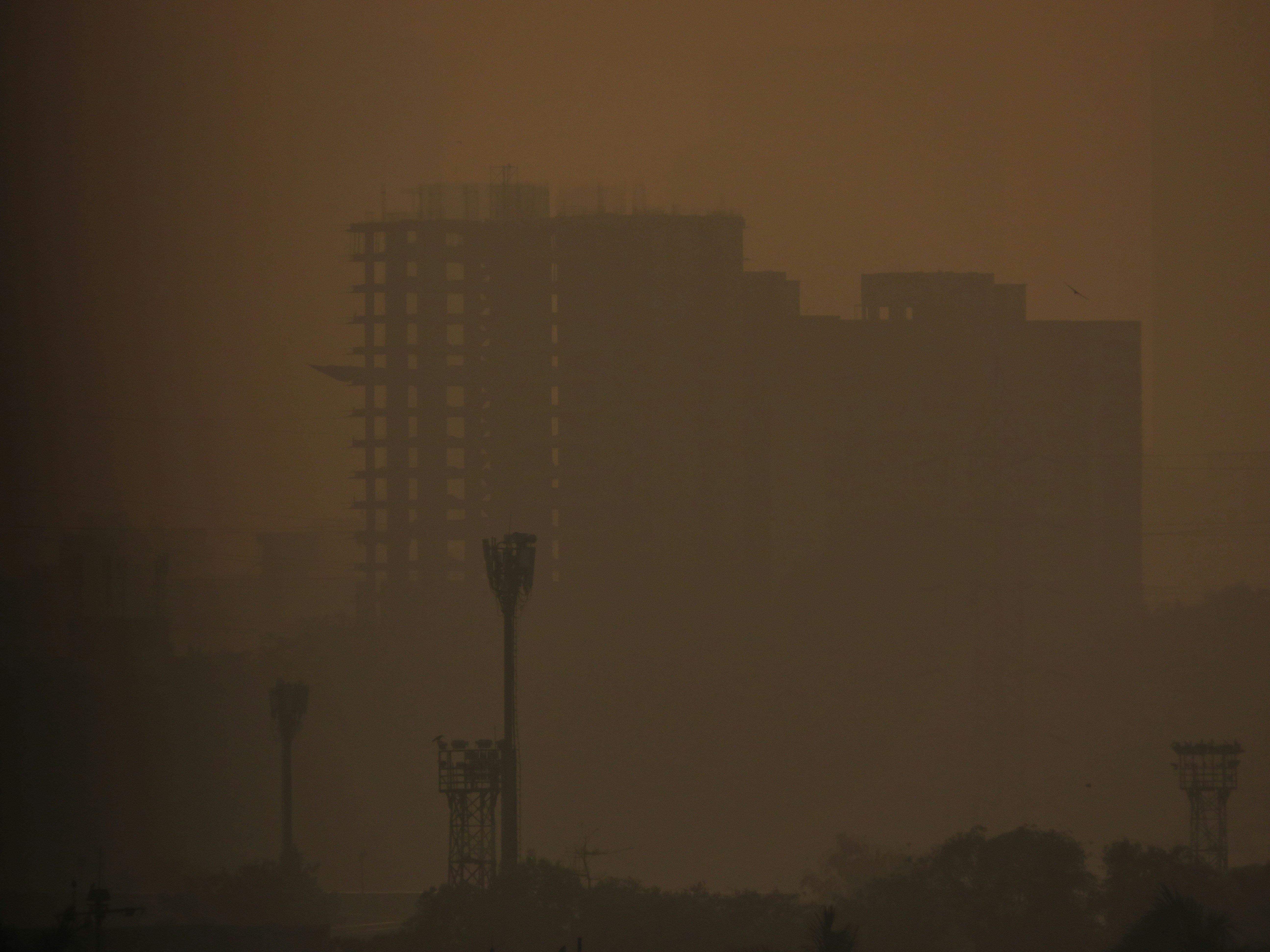
Delhi, the capital of India, has been consistently ranked as one of the most polluted cities globally. According to recent reports, the city frequently witnesses air quality index (AQI) levels soaring well above the acceptable limits, highlighting the alarming state of air pollution. During peak months, particularly in winter, the AQI often crosses the hazardous threshold of 300, posing severe health risks to its population.
The principal sources of pollution in Delhi are multifactorial, encompassing vehicular emissions, industrial discharges, construction dust, and the burning of crop residues in surrounding agricultural regions. The exponential growth of vehicles on the road, with estimates suggesting over 10 million registered, exacerbates the situation. Transportation alone contributes significantly to the alarming levels of nitrogen oxides and particulate matter in the atmosphere. Furthermore, construction activities across the city create additional dust particles that further pollute the air.
Health impacts resulting from the high levels of air pollution are profound and far-reaching. Numerous studies have established a correlation between poor air quality and respiratory illnesses, cardiovascular diseases, and even premature mortality. Vulnerable populations, including children and the elderly, are particularly at risk, as chronic exposure to polluted air can lead to long-term health complications. The environment also suffers as air pollutants contribute to acid rain and damage to vegetation, disrupting local ecosystems.
The struggle to combat air pollution in Delhi has led to various policy interventions and public awareness campaigns aimed at reducing emissions and improving air quality. However, the rising pollution levels continue to pose a challenge and necessitate urgent collective action from all sectors of society. Addressing the air pollution crisis in Delhi is crucial for safeguarding public health and fostering a sustainable urban environment.
Recent Trends in Air Quality
The air quality in Delhi has recently been a topic of increasing concern as the city grapples with deteriorating pollution levels. Data collected from environmental agencies indicates a disturbing trend in air quality over the past few months, particularly during the change of seasons. The analysis of air quality indices reveals that particulate matter (PM2.5 and PM10) concentrations have often exceeded safe limits, raising alarms among health experts and policymakers.
In the last few months, average PM2.5 levels have consistently remained high, occasionally exceeding 300 ug/m³, which is deemed hazardous by the World Health Organization (WHO). This alarming rise has been attributed to various factors including vehicular emissions, construction dust, and the burning of biomass in surrounding regions. Furthermore, a comparative analysis with data from previous years highlights a concerning upward trajectory, indicating a consistent worsening of air quality. Seasonal trends further complicate this issue, as winter smog phenomena exacerbated by weather conditions like low wind speed and increased humidity lead to a drastic spike in pollution levels.
This change in air quality not only reflects broader environmental issues but poses significant health risks to residents. Vulnerable populations, including children and the elderly, are particularly at risk from the adverse effects of prolonged exposure to elevated pollution levels. Efforts to curb pollution must take these trends into account, integrating seasonal data to inform better strategies and public awareness campaigns aimed at mitigating the impact of air pollution in Delhi.
In conclusion, understanding recent trends in air quality is essential for addressing the growing concerns around pollution in Delhi. Continuous monitoring and comprehensive analysis of air quality data will be crucial for developing effective policies to combat this worsening predicament.
Contributors to Air Pollution in Delhi
Air pollution in Delhi has reached alarming levels, prompting urgent discussions about its multiple contributors. Among the primary sources of this environmental crisis are vehicle emissions. Delhi boasts a high density of vehicles, leading to significant emissions of nitrogen oxides, carbon monoxide, and particulate matter. With millions commuting daily, the transport sector is a leading factor in deteriorating air quality, especially during peak traffic hours when concentrations of harmful pollutants surge.
Another significant contributor lies within the industrial sector. Industries in and around Delhi release a variety of toxic effluents, including volatile organic compounds and heavy metals. The lack of strict regulatory compliance and effective enforcement measures has exacerbated the situation, with some factories opting for cheaper alternatives in their production processes, often ignoring the collateral damage to the environment.
Moreover, construction activities contribute substantially to air pollution in the city. The rapid urbanization of Delhi has led to a construction boom, leaving dust emissions as a prevalent issue. Construction sites frequently generate fine particulate matter, which poses serious health risks to the population. Enforcement of dust control measures can vary considerably, leading to inconsistent management of construction-related pollution.
An additional factor is the seasonal practice of crop burning in neighboring states, particularly Punjab and Haryana. Farmers often resort to this method to clear fields quickly, and the resultant smoke drifts into Delhi, significantly affecting its air quality during certain months of the year. This practice has drawn attention to the interconnected nature of air pollution, emphasizing that issues in nearby agricultural regions can directly impact urban areas like Delhi.
In summary, these contributors—vehicle emissions, industrial discharges, construction activities, and agricultural practices—collectively paint a grim picture of the air pollution crisis in Delhi, necessitating a multifaceted approach for effective management and mitigation.
Health Implications of Air Pollution
The deteriorating air quality in Delhi has raised significant concerns regarding the health implications for its residents. Exposure to high levels of air pollution, particularly fine particulate matter (PM2.5), can lead to a variety of short-term and long-term health issues. Short-term exposure may result in respiratory problems, such as coughing, throat irritation, and exacerbation of asthma, which is particularly dangerous for children and the elderly who have more sensitive respiratory systems. Numerous studies have established a direct correlation between increased air pollution levels and heightened emergency room visits for respiratory conditions.
Long-term exposure to polluted air carries more severe health ramifications. Research indicates that chronic exposure to high levels of air pollution can increase the risk of cardiovascular diseases, lung cancer, and chronic obstructive pulmonary disease (COPD). Vulnerable populations, such as the elderly and those with pre-existing health conditions, are at a notably higher risk of suffering severe consequences from prolonged exposure. In children, the impact can be particularly detrimental, hindering lung development and resulting in lasting effects on overall health.
Furthermore, air pollution has been linked to cognitive decline and mental health issues. Recent studies have shown that exposure to airborne pollutants can contribute to an increased risk of anxiety and depression, especially among populations already predisposed to these conditions. The socio-economic disparities in Delhi further exacerbate the health implications of air pollution, with low-income groups suffering more severely due to factors such as limited access to healthcare and insufficient resources to mitigate exposure.
In light of these findings, it is imperative for both policymakers and residents of Delhi to recognize the significant health implications associated with worsening air pollution. By taking proactive measures to improve air quality and protect vulnerable populations, the city can take steps towards safeguarding public health for future generations.
Government Response and Initiatives
The Indian government has recognized the alarming issue of air pollution in Delhi and has initiated several policies and actions aimed at addressing this escalating crisis. The seriousness of air quality deterioration has prompted a multi-faceted approach, integrating scientific research, public awareness, and regulation enforcement. One of the prominent undertakings includes the implementation of the National Clean Air Programme (NCAP), which seeks to reduce particulate matter concentrations across the country by 20-30% by 2024.
Additionally, state-level actions have been initiated by the Delhi government, such as the Graded Response Action Plan (GRAP), activated during higher pollution levels, which includes measures like limiting vehicular traffic, banning the use of construction aggregates and dust-emitting activities, and regulating industrial emissions. These measures demonstrate a commitment to mitigating pollution but also highlight the need for urgent and sustained action.
Another significant area of focus is the introduction of the odd-even scheme, which restricts vehicle use based on number plates to decrease congestion and emissions. This initiative has drawn mixed reactions, with some lauding its temporary effectiveness, while critics point to the need for more comprehensive, long-term solutions. Furthermore, the government provides subsidies for electric vehicles and promotes public transport to diversify the means of commute.
Despite these actions, the effectiveness of government policies has been met with skepticism by environmentalists and citizens alike. Concerns regarding lax enforcement and limited public participation raise questions about the real impact of these initiatives. Non-compliance by industries and the public further complicates successful execution. Hence, while the government has set in motion various measures to tackle air pollution, continuous evaluation and adaptation of these strategies are crucial for achieving tangible improvements in Delhi’s air quality.
Image Courtesy : FORUM IAS COMMUNITY