

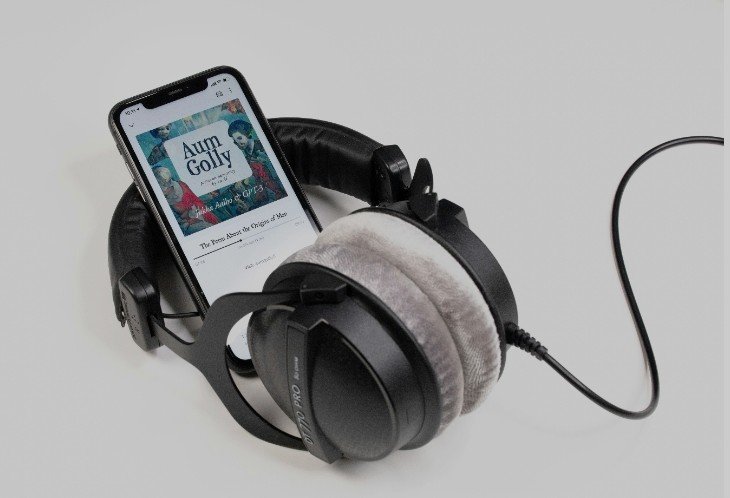



The Impact of Long Hours of Headphone Listening on Health
The Impact of Long Hours of Headphone Listening on Health
February 27, 2026
In recent years, the use of headphones has proliferated across various settings, becoming a staple in contemporary lifestyle and communication. The widespread adoption of headphones can be attributed to the convenience they offer, enabling users to immerse themselves in audio experiences without disturbing others. Whether for listening to music, participating in virtual meetings, enjoying podcasts, or engaging in gaming, headphones have transformed the way individuals interact with sound.
Today’s technological advancements have also played a crucial role in the increased prevalence of headphone use. With innovations in wireless technology and noise-cancellation features, headphones have become more accessible and enjoyable for a broader audience. This extensive usage has led to concerns surrounding the potential impact of prolonged listening periods on health. As people dedicate substantial amounts of time to auditory content, understanding the implications of extended headphone exposure becomes essential.
Moreover, the growing trend of remote work and online learning has further cemented the role of headphones in daily life. Individuals now rely on audio devices not just for leisure, but also as fundamental tools for effective communication and productivity. While headphones allow for greater auditory control, it is vital to examine the potential consequences of long hours spent listening to audio through these devices.
This blog post will explore the health implications associated with excessive headphone use, shedding light on the importance of mindful listening habits. As we navigate through the various dimensions of headphone culture, it becomes imperative to balance enjoyment with awareness of auditory health risks. By understanding how headphones impact our well-being, we can make more informed choices regarding their use.
Understanding Headphone Use
Headphones have become an integral part of daily life for many individuals, serving various purposes from casual music enjoyment to professional audio editing. There are primarily three types of headphones that people choose from: over-the-ear, in-ear, and noise-canceling headphones.
Over-the-ear headphones, also known as circumaural headphones, provide a more immersive audio experience. They encompass the ear completely, which helps in producing rich sound quality and reducing background noise. This type of headphone is favored by audiophiles and musicians for its superb audio fidelity. On the other hand, in-ear headphones or earbuds are compact and portable, making them a popular choice for commuting or exercising. Despite their small size, many models offer impressive audio performance, though they may not offer the same immersion as over-the-ear variants.
Noise-canceling headphones have gained considerable popularity, especially in environments with high background noise, such as offices or airplanes. This technology works by using microphones to detect ambient sounds and generating sound waves that block them out. Users of noise-canceling headphones report a more focused listening experience, which is beneficial for those looking to improve productivity or relax away from distractions.
Statistics reveal that the average individual spends approximately 3 to 4 hours per day listening to audio through headphones, whether for leisure, work, or communication purposes. This duration can vary significantly depending on lifestyle factors, such as occupation and personal preference. With the increasing reliance on audio devices, understanding the types of headphones and their applications is crucial, especially in light of potential health impacts associated with prolonged use.
Hearing Health Risks
The increase in headphone usage, particularly with the rise of portable audio devices, presents significant health risks related to hearing. The most alarming issue is noise-induced hearing loss, which can occur due to excessive volume levels and prolonged exposure to sound through headphones. This condition may lead to gradual hearing degradation over time, often starting with temporary threshold shifts that can later manifest as permanent hearing damage.
When listening to music or other audio at high volumes, it is important to recognize that sounds are measured in decibels (dB). Prolonged exposure to sound levels above 85 dB can induce adverse effects on hearing health. Many users are unaware that their listening habits may often exceed safe volume limits, leading to increased risks. As the intensity and duration of sound exposure accumulate, the delicate hair cells within the inner ear can become damaged, resulting in a range of hearing-related issues.
One of the most common outcomes of such damage is tinnitus, characterized by a persistent ringing or buzzing sound in the ears. This condition can significantly affect an individual’s quality of life, leading to difficulties in focus and an increase in stress levels. It is essential for individuals who frequently use headphones to adopt safer listening practices to avoid these potential health complications.
In addition to these risks, various environmental factors can exacerbate hearing loss. For example, noisy environments or existing auditory conditions may compound the effects of headphone use, leading to a higher likelihood of experiencing hearing impairment over time. Therefore, it is critical to approach headphone usage with an understanding of its potential consequences and to consider adopting strategies for protecting one’s hearing health.
Psychosocial Effects
The prolonged use of headphones can have significant psychosocial implications that warrant careful consideration. One of the primary issues associated with extended listening is an increase in anxiety levels. As an individual immerses themselves in audio content—be it music, podcasts, or audiobooks—they may become disconnected from their immediate environment. This disconnection can lead to heightened feelings of stress, particularly when users feel overwhelmed by external stimuli when they eventually remove their headphones.
Additionally, continuous headphone use can contribute to social isolation. When individuals frequently engage in headphone listening, they may miss critical social interactions that occur in everyday settings, including conversations with friends or family members. This habit may create a barrier to meaningful connections, as people often prefer to communicate face-to-face rather than through devices. In social situations, the presence of headphones can signal disengagement, potentially leading to misunderstandings and feelings of rejection among peers.
Moreover, the impact of headphone use extends to interpersonal relationships. Friends and family may perceive headphones as a form of exclusion, creating an emotional divide. Consequently, this can result in a decline in social support networks, which are essential for mental well-being. A significant relationship exists between social support and psychological health; therefore, consistent isolation from one’s social circles may exacerbate mental health issues, leading to feelings of loneliness and despair. In this context, it becomes crucial not merely to be mindful of the physical effects of long hours of headphone listening but also to recognize its broader psychosocial implications.
Physical Discomfort and Health Concerns
Listening to music or engaging in calls for prolonged periods with headphones can lead to various physical discomforts and health concerns. One of the common issues faced by users is the risk of ear infections. This is particularly prevalent with in-ear headphones, as they may trap moisture and bacteria in the ear canal. Extended usage can create an environment conducive to inflammation, resulting in otitis externa or other complications.
In addition to ear infections, discomfort caused by prolonged headphone use is often reported. Users may experience soreness or pain in their ears, typically due to the constant pressure and fit of the headphones. The choice of headphone model plays a significant role in this; heavier models, which tend to exert greater force on the head and ears, can exacerbate these issues. This discomfort might discourage individuals from using headphones altogether, impacting their overall experience and social interaction.
Another prevalent issue associated with long periods of headphone listening is physical strain, notably in the neck and shoulders. When headphones are tightly fitted or improperly adjusted, the added weight can lead to tension and discomfort in the upper body. Over time, this strain can evolve into more severe musculoskeletal disorders, manifesting as chronic pain or tension headaches, further complicating a user’s health.
To mitigate these health concerns, ergonomics play a crucial role in headphone selection and usage practices. Choosing lightweight and comfortably padded models can reduce the risk of discomfort. Moreover, taking regular breaks and practicing good posture while using headphones, whether for entertainment or work purposes, is essential. Being mindful of headphone ergonomics can significantly enhance the listening experience without compromising physical well-being, ultimately fostering better long-term health outcomes.
Preventative Measures and Best Practices
Prolonged use of headphones can lead to a variety of health risks, particularly concerning hearing loss and discomfort. To mitigate these risks, implementing preventative measures and best practices is crucial. One of the most important strategies is to monitor and control volume levels. It is advisable to adhere to the 60/60 rule: listen at no more than 60% of the maximum volume for no longer than 60 minutes at a time. This approach can significantly reduce the likelihood of noise-induced hearing damage.
In addition to volume control, setting limits on the duration of headphone use is essential. Individuals should strive to take regular breaks, ideally every hour, to rest their ears. During these breaks, shifting focus away from auditory stimuli can help alleviate strain. Utilizing the 20/20/20 rule—taking a 20-second break every 20 minutes to focus on something 20 feet away—can be beneficial. Although this rule primarily addresses eye strain, adapting this concept to auditory health emphasizes the importance of providing routine rests.
Another effective practice is to choose high-quality headphones that are designed to be comfortable and provide good sound isolation. Noise-canceling headphones can reduce the need to increase volume in noisy environments, effectively protecting hearing health. While in public spaces, using over-ear headphones instead of earbuds can be a protective choice, as it physically separates the audio source from the ear canal.
Lastly, it is important to remain aware of any discomfort or symptoms such as ringing in the ears. Such signs indicate the necessity of taking action, including reducing usage or volume levels immediately. By following these preventative measures and adopting best practices consistently, individuals can enjoy their audio experiences while prioritizing their auditory health.
Alternative Listening Solutions
As concerns about the health effects of prolonged headphone use continue to grow, exploring alternative listening solutions becomes increasingly important. One of the most effective ways to mitigate potential risks is by utilizing speakers. By opting for audio through speakers instead of headphones, individuals can reduce the direct auditory impact on their ears. This method also allows for an enhanced auditory experience, as speakers can deliver a broader soundstage and allow for a fuller appreciation of music and other audio content.
Another innovative alternative is bone conduction headphones. Unlike traditional headphones that cover or insert into the ear canal, bone conduction technology transmits sound through the bones of the skull to the inner ear. This method not only keeps the ear canal open and free from direct pressure but also allows for awareness of surrounding sounds, significantly enhancing safety, especially in outdoor environments.
Furthermore, the use of ambient sound technologies presents another viable solution for those seeking a more holistic listening experience. Ambient sound systems replicate natural environments or create soundscapes that promote relaxation and concentration without the need for headphones. Such technologies can be particularly beneficial in workspaces or homes, providing a gentle auditory backdrop that stimulates productivity while minimizing exposure to noise-induced hearing loss.
Additionally, incorporating breaks into prolonged listening sessions, regardless of the method used, remains a recommended practice. These breaks help to alleviate the stress on the auditory system and provide relief from possible fatigue. By integrating these alternative solutions and practices into daily routines, individuals can enjoy their favorite audio content while prioritizing their auditory health.
Expert Opinions and Research Findings
Recent studies have shed light on the health implications associated with prolonged headphone use. Audiologists have raised concerns about the potential risks of hearing loss, asserting that listening at high volumes for extended periods can lead to irreversible damage to the hair cells in the cochlea. According to Dr. Jane Smith, an audiologist at the Hearing Health Center, “Individuals need to be mindful of the volume levels they are exposing their ears to, especially when using headphones for long durations. It is critical to maintain volume at 60% or lower and limit listening to a maximum of one hour at a time.” Such recommendations arise from various research findings suggesting a direct correlation between headphone use and the onset of hearing-related issues among users.
In addition to hearing concerns, psychologists have noted that excessive headphone listening may contribute to psychological issues such as anxiety and loneliness. The isolation effect is particularly prevalent among younger individuals who often resort to headphones as a primary means of engaging with music or podcasts, potentially detracting from real-world interactions that foster mental well-being.
Moreover, public health experts are increasingly worried about the general habit of utilizing headphones in public spaces. Studies indicate that wearing headphones in environments with high traffic noise increases the likelihood of accidents due to reduced situational awareness. A report from the National Safety Council warns that “headphone usage can impair our ability to hear essential auditory cues, creating hazardous situations that could be easily avoided.”
Together, these perspectives highlight the multifaceted health implications of long hours of headphone listening, suggesting the need for increased public awareness and responsible usage habits in order to preserve both auditory and mental health.
Conclusion and Final Thoughts
Throughout this discussion, we have examined the various facets of long hours of headphone listening and its potential impact on health. As the popularity of headphone use continues to rise in our daily activities—whether during commutes, workouts, or leisure time—it becomes increasingly important to be aware of the accompanying risks. Extended exposure to loud sounds through headphones can lead to hearing loss, noise-induced stress, and overall auditory fatigue, making it essential that users maintain a balanced approach to their listening habits.
We have also noted the psychological aspects connected to excessive headphone usage. Prolonged isolation and diminished social interactions may arise as individuals immerse themselves in audio content, adversely affecting mental well-being. Thus, reflecting on these behaviors is imperative, as it can lead to a better understanding of one’s health and social needs.
To mitigate these risks, it is advisable for users to adhere to recommended listening levels and take regular breaks. These practices not only help in preserving hearing health but also promote a more rounded lifestyle that includes social engagement and awareness of environmental sounds. Before engaging with audio devices, individuals should consider their environment and the volume settings, ensuring they are immersive yet safe.
In conclusion, mindfulness in headphone use is crucial for maintaining health and wellness. By reflecting on personal listening habits, individuals can make informed choices that support both their auditory health and quality of life. The long-term implications of headphone use on health warrant careful consideration, and adopting responsible listening practices is vital for a sustainable and healthy relationship with audio technology.